

Making sanitation and waste treatment affordable / Upcycling Waste for Good
Our vision: Turning waste into value
Safisana wants to fundamentally improve the health and wellbeing of people living in appalling circumstances in non-sewered urban areas. The current absence of proper sanitation and waste treatment services in many low and middle income countries still causes over 842,000 deaths each year. The huge health challenges plus the growing global climate, energy and food crises fuels our desire to act.
Our mission: local solutions making global impact
By re-using waste as a resource to produce biogas and organic fertilizer, it is our burning ambition to create social, economic and environmental impact. Safisana has developed a circular and financially-affordable business model for governments, utilities and food processing industries, that combines faecal sludge and organic waste treatment with the production of renewable energy, nutrients and water. Our mission is to become the standardised waste to resource solution in low and middle income countries. By building and operating a large number of locall y embedded recycling plants, we create long term impacts on public and personal health, carbon emission and climate mitigation, availabitily of sustainable energy and food.
Our circular model
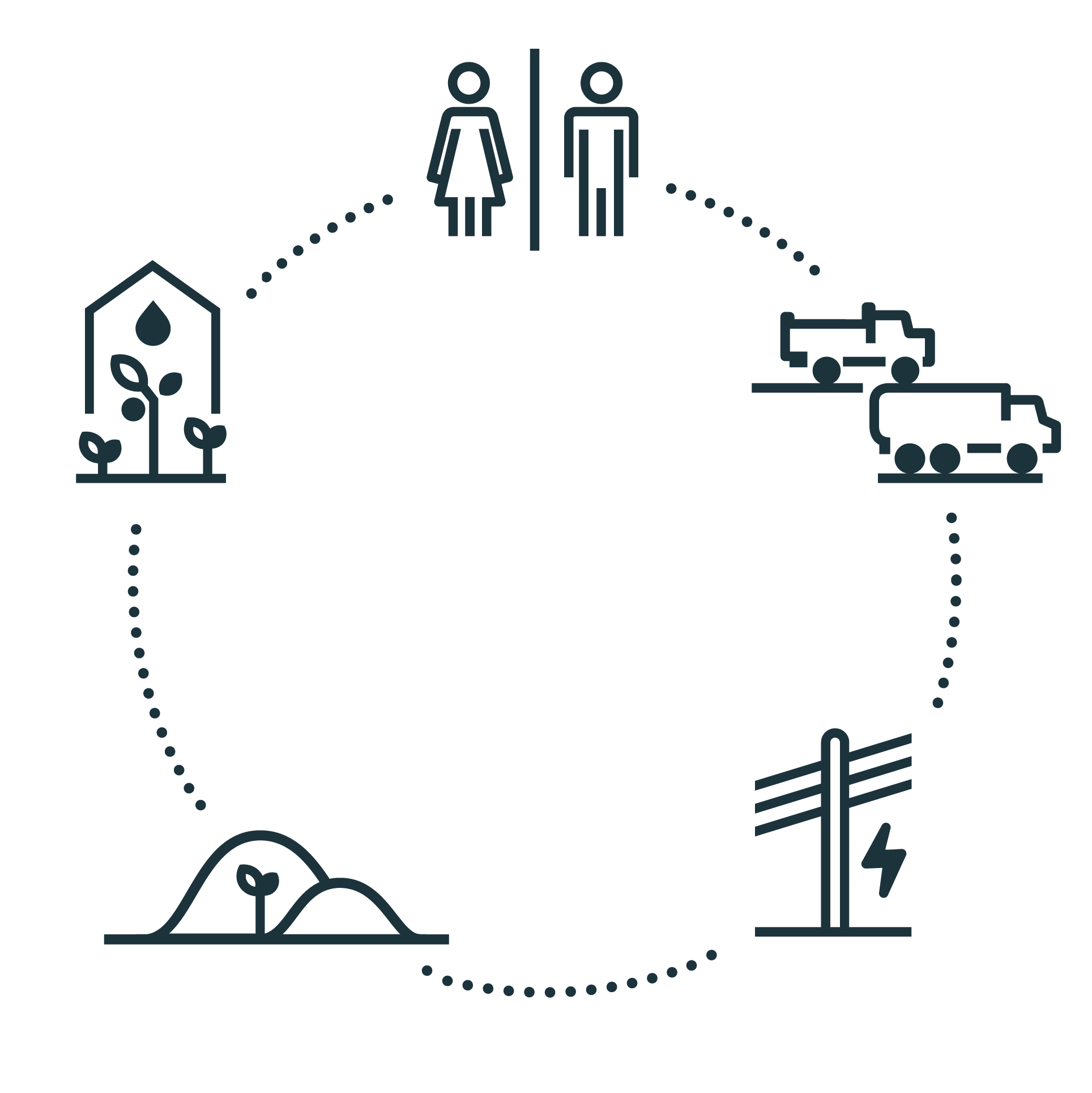
Our recycling plant is a cost-efficient, fully serviced all-in-one solution for sustainable treatment of wastewater, solid waste, and faecal sludge management. Our holistic model provides end-to-end services, ranging from lease contracts and concessions to operate as a full utility service, to tailored contracts on the basis of DBFOT.
Our product and services

Our circular model offers wastewater and food processing industries a low-cost solution for residual waste and wastewater, that meets Sustainable Development Goals and corporate social responsibility policies.
Want to become a Safisana supplier?
Our Projects

Our model offers opportunities to improve the direct living environment of local communities in non-sewered, urban areas. One recycling plant can serve large communities, generating social, economic and environmental impact.


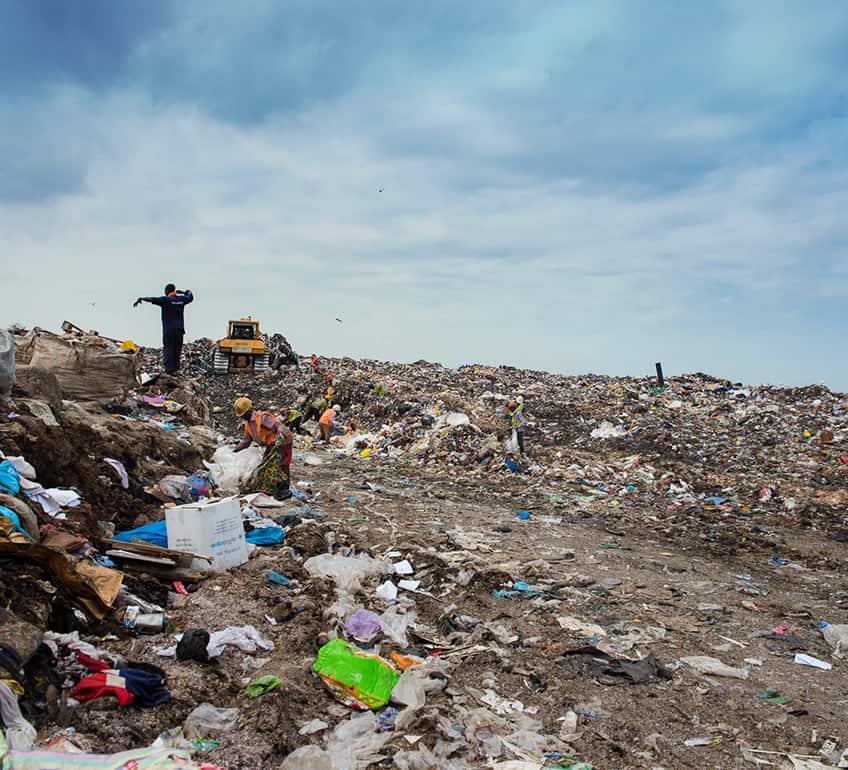
'In many low and middle income countries poor waste management puts a huge pressure on the natural environment, public health, and related governmental budgets. Global urbanisation will only intensify this problem over the next decade, unless we support governments, utilities and IFI’s to address this problem.'

Aart van den Beukel
Managing Director and Founder of Safisana
This is how the Safisana Solution works
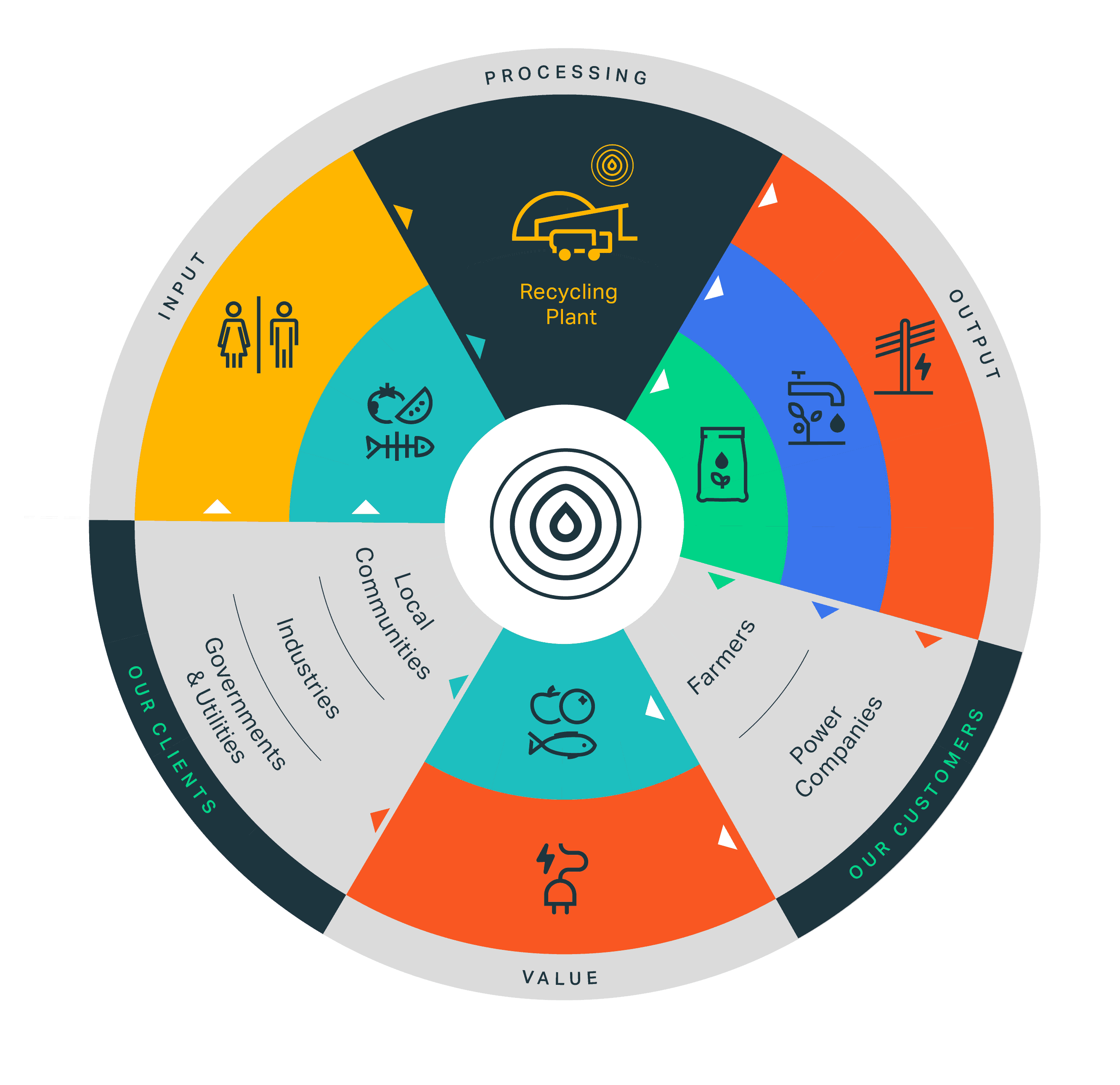
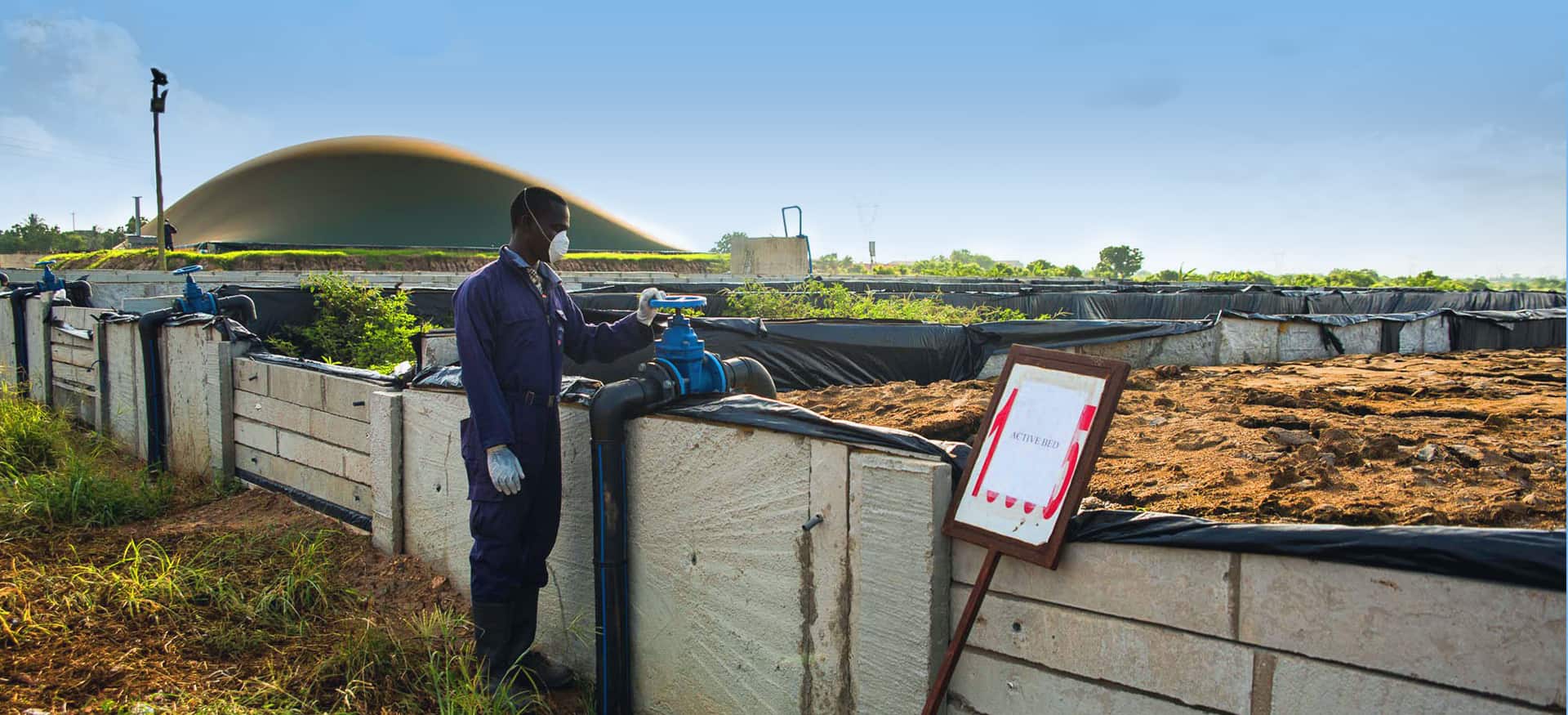
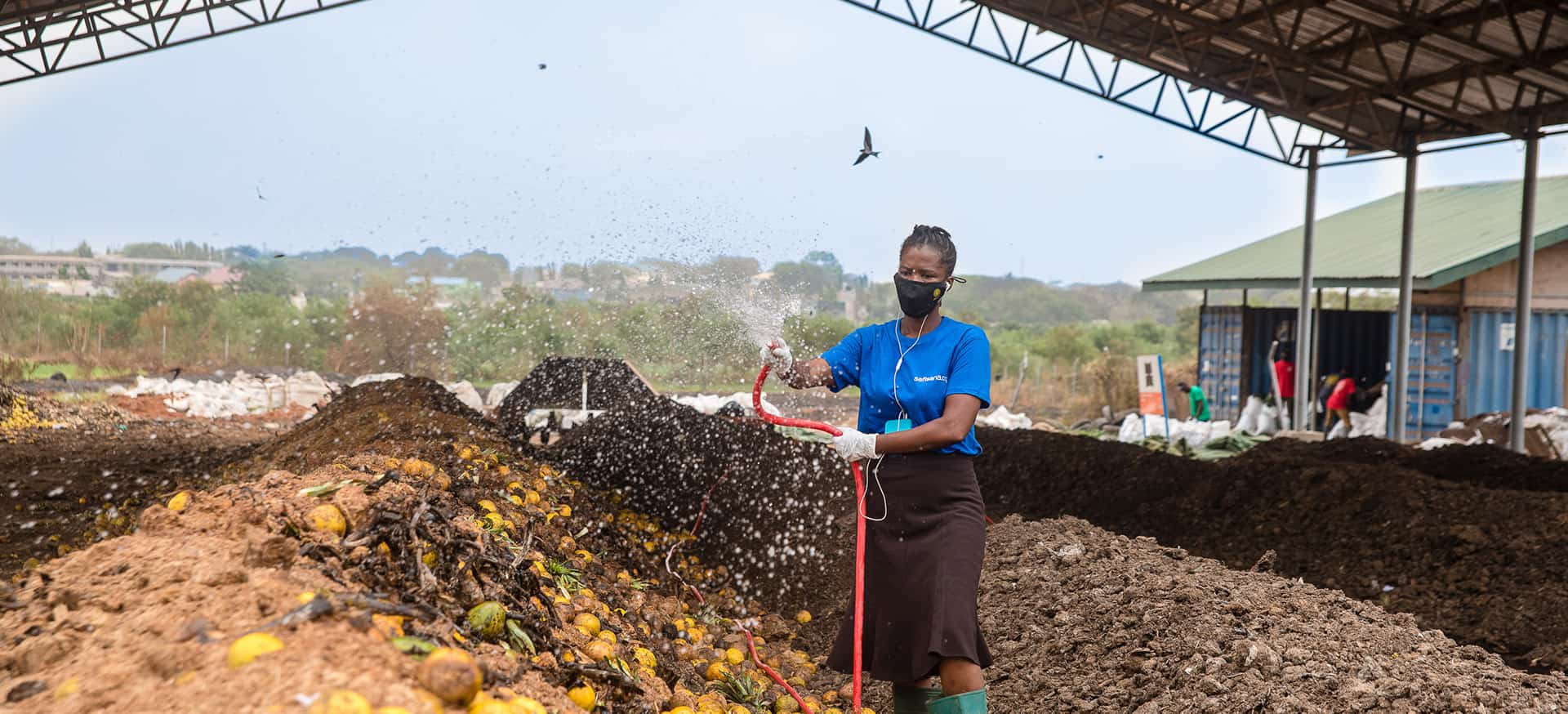
Input We collect faecal sludge from the public toilets in the community and organic waste from food markets, abbatoirs and the local food processing industries at the Safisana recycling plant.
Output Through a natural process of anaerobic digestion and fermentation, organic and faecal sludge is transformed into biogas. This renewable energy is subsequently used to produce power to feed the national electricity grid. The residue from the digester is further used and composted into a nutrient-rich organic fertilizer. Wastewater is further treated in water ponds and used as irrigation water by local farmers. Through the reuse and recovery of resources, we strengthen the local production chain.

Input We collect faecal sludge from the public toilets in the community and organic waste from food markets, abbatoirs and the food processing industries at the Safisana recycling plant.
Output Through a natural process of anaerobic digestion and fermentation, organic and faecal sludge is transformed into biogas. This renewable energy is subsequently used to produce power to feed the national electricity grid. The residue from the digester is further used and composted into a nutrient-rich organic fertilizer. Wastewater is further treated in water ponds and used as irrigation water by local farmers. Through the reuse and recovery of resources, we strengthen the local production chain.

The Impact and Benefits
Small intro text on social economic and environmental impacts . Read more:
hrough a natural process of anaerobic digestion and fermentation, organic and faecal sludge is transformed into biogas. This renewable energy is subsequently used to produce power to feed the national electricity grid. The residue from the digester is further used and composted into a nutrient-rich organic fertilizer. Wastewater is further treated in water ponds and used as irrigation water by local farmers. Through the reuse and recovery of resources, we strengthen the local production chain.
For Governments & Utilities

- Sustainable low-cost solution fecal sludge tramanagement for non-sewered urban areas
- A solution to improved public health and sanitation
Climate solution, reduction of CO2 emission, improvement of irrigation water quality, and recovery nutrients and energy - Circular solution for existing wastewater treatment facilities in ‘critical state’ to increase capacity and lower operational cost
- Fully serviced, and supported complying with national and local regulations
For food and beverage industries

For Communities

- Contributes to a safe, hygienic and healthy living environment
- Less direct exposure to waste (solid and liquid); less rodents and spreading diseases
- Promotion of circular and local food production systems
- Improved quality and quantity of year round yields of fresh/healthy food, enhancing food security.
- Availability of affordable and clean energy
- Economic activity and employment for local SMEs; increase of economic livelihoods






Contact us
Safisana Holding,
Weesp, The Netherlands
+31 (0) 294 773857
info@safisana.org